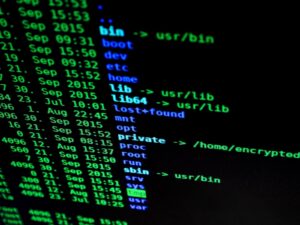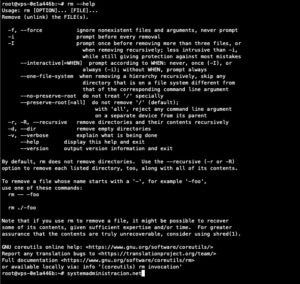
8 Linux commands almost nobody uses (and sysadmins should keep close)
In real operations, the gap between “fixed in minutes” and “lost the whole afternoon” often comes down to having small, reliable tools for triage and maintenance. Linux is full of
In real operations, the gap between “fixed in minutes” and “lost the whole afternoon” often comes down to having small, reliable tools for triage and maintenance. Linux is full of

APIs rarely fail in isolation. In production, they sit behind reverse proxies and load balancers, depend on CI/CD pipelines and container images, talk to databases and message queues, and get

For years, Kindle e-readers have lived in a blind spot for many IT teams: they’re not laptops, they’re rarely enrolled in MDM, and they seldom appear in asset inventories. But
OpenClaw has grown into one of those projects that’s easier to understand once you operate it: multiple agents, long-running sessions, tool calls, scheduled jobs, and a server configuration surface that

Spinning up a Windows lab has always been the part that slows everything down: ISO downloads, long installers, drivers, snapshots, licensing, and the whole “I only needed this for one

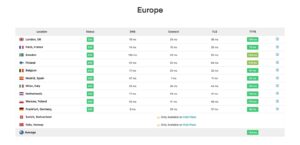
CheckCle is a self-hosted, open-source monitoring platform designed to provide continuous, real-time observability across systems, applications, and infrastructure—without relying on third-party SaaS dashboards. Positioned for developers, sysadmins, and DevOps teams,

Switching to Linux in industrial automation doesn’t automatically mean saying goodbye to Windows. For many controls engineers and integrators, the day-to-day reality still runs through Windows-centric engineering suites: TIA Portal,

OpenClaw is quickly becoming a reference point for a new class of tooling: agentic automation that runs close to the user while plugging into real systems — email, calendars, browsers,

Modern infrastructure rarely fails in one place. A storage pool fills up, backups start quietly failing, containers restart in loops, and suddenly the incident is no longer “a Proxmox problem”

The web is quietly getting a new class of visitors: AI agents. Not “users” in the classic sense, but automated systems that read pages to summarize them, answer questions, and