Delphi had the IDE developers wanted, but Microsoft had Windows
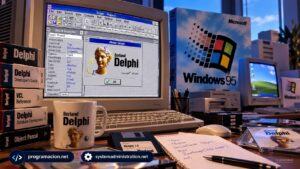
In 1995, Borland launched Delphi and changed the way Windows applications were built. A form, a few components, some Object Pascal code, and a native compiler could turn an idea
In 1995, Borland launched Delphi and changed the way Windows applications were built. A form, a few components, some Object Pascal code, and a native compiler could turn an idea
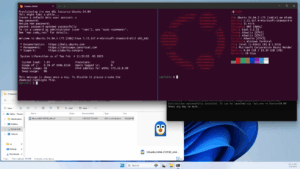
Ubuntu could reach a milestone before the end of 2026 that would have sounded contradictory a decade ago: having more users running it inside Windows through Windows Subsystem for Linux
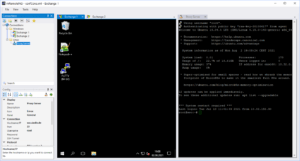
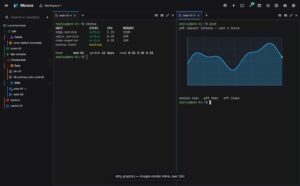
mRemoteNG remains a useful tool for system administrators who work with dozens or even hundreds of servers every day. Its proposition is straightforward: centralize RDP, SSH, VNC and other remote

For years, many desktop applications have followed a recipe that is convenient for developers but expensive for users: packaging a website inside an application using Electron. The result usually works
Microsoft has started to make the Secure Boot certificate transition in Windows more visible, a technical change that many users will see as a simple update, but which affects one

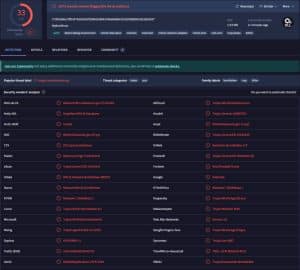
Running a PowerShell command copied from the Internet without reviewing the code should worry people more than it does. In the Windows world, it has become far too normal to
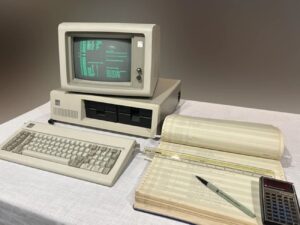
Microsoft has released new historical materials from the DOS operating system to mark the 45th anniversary of 86-DOS 1.00, one of the pieces of software that helped define the modern
Windows 11 is looking toward artificial intelligence, agents, and a new generation of PCs, but a core part of how it works still rests on a foundation created more than

Spinning up a Windows lab has always been the part that slows everything down: ISO downloads, long installers, drivers, snapshots, licensing, and the whole “I only needed this for one
Switching to Linux in industrial automation doesn’t automatically mean saying goodbye to Windows. For many controls engineers and integrators, the day-to-day reality still runs through Windows-centric engineering suites: TIA Portal,