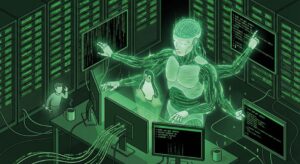
Red Hat Lightspeed Is Rewriting the DevOps Rulebook
For decades, the value of a systems administrator or DevOps engineer has been measured by something very concrete: their mastery of syntax and commands. Knowing which flag to use in
For decades, the value of a systems administrator or DevOps engineer has been measured by something very concrete: their mastery of syntax and commands. Knowing which flag to use in
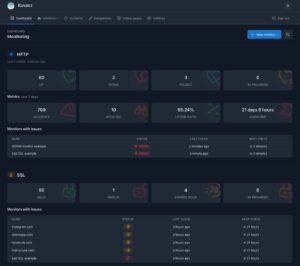
In a world dominated by SaaS monitoring services like UptimeRobot, Better Uptime or Pingdom, another trend is gaining traction: taking back control with open-source, self-hosted tools that plug directly into
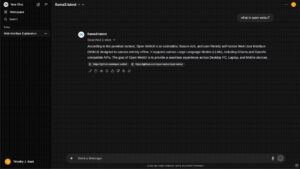
While everyone talks about models and APIs, one key piece is often overlooked: the interface and platform where your users will actually work with AI. That’s where Open WebUI comes

PHP, one of the foundational languages of the web, keeps evolving. The release of PHP 8.5 on November 20, 2025 confirms that the language still wants to be relevant in
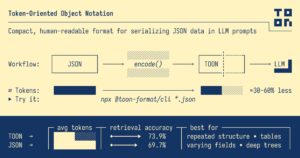
The Large Language Model ecosystem has been looking for ways to pack more data into fewer tokens. JSON is the de facto standard for representing complex structures, but it’s also

In every AI project there’s an unglamorous step that quietly decides the quality–price ratio of your results: getting documents into a clean, consistent format before they hit a model. Microsoft’s
In December 2020, C++20 was officially published as a revision of the language standard, and it is one of the most ambitious since C++11. For many experts it is not
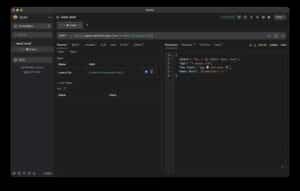
For years, the API client market has been dominated by cloud-centric collaboration platforms—Postman chief among them. Bruno takes a deliberately different path: it’s open-source, fast, 100% offline, and natively Git-integrated.
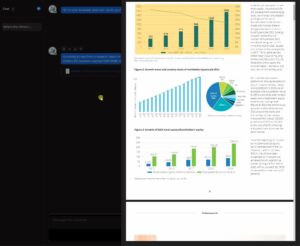
RAGFlow is a 100% open-source RAG (Retrieval-Augmented Generation) and agent engine you can run on-prem (no data exfiltration) to query, reason over, and cite information from PDF/DOCX/HTML/images/tables and structured sources.
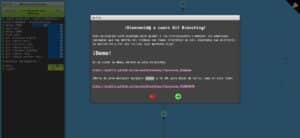
Mastering Git isn’t about memorizing commands; it’s about understanding the graph—branches, commits, pointers, and how HEAD, branch refs, and tags move with each operation. Learn Git Branching (LGB) turns that