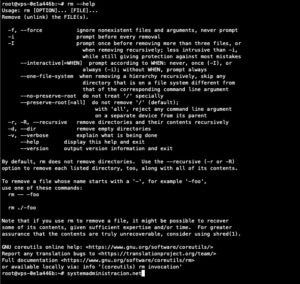
8 Linux commands almost nobody uses (and sysadmins should keep close)
In real operations, the gap between “fixed in minutes” and “lost the whole afternoon” often comes down to having small, reliable tools for triage and maintenance. Linux is full of
In real operations, the gap between “fixed in minutes” and “lost the whole afternoon” often comes down to having small, reliable tools for triage and maintenance. Linux is full of

Spinning up a Windows lab has always been the part that slows everything down: ISO downloads, long installers, drivers, snapshots, licensing, and the whole “I only needed this for one

Switching to Linux in industrial automation doesn’t automatically mean saying goodbye to Windows. For many controls engineers and integrators, the day-to-day reality still runs through Windows-centric engineering suites: TIA Portal,

Modern infrastructure rarely fails in one place. A storage pool fills up, backups start quietly failing, containers restart in loops, and suddenly the incident is no longer “a Proxmox problem”

Linux 6.19 has been officially released (announced by Linus Torvalds on February 8, 2026) and is now available from the upstream release channels. For most production environments, the real question

In many Proxmox VE environments, Windows remains a common guest OS: application servers, remote desktops, corporate tools, or legacy workloads that have not yet been modernized. But there is a

For years, VMware + Veeam has been the “quietly reliable” pairing in many data centers: a widely adopted hypervisor and a backup platform teams know inside out. But with the

Installing Windows 11 on Proxmox VE is no longer a niche lab exercise. Many SMBs use it for legacy apps, virtual desktops, corporate tools, or testing environments. The friction point,
MultiPortal is preparing its next update (version 1.1.1) with a clear theme: give resellers more day-to-day independence, smooth out operational workflows for service providers, and tighten performance where it matters—especially

When hardening a server, the cleanest starting point is a simple policy: deny all incoming traffic, allow outgoing traffic, then open only the services you actually need. On Ubuntu/Debian (and