Linux begins retiring Intel’s 486 after nearly four decades
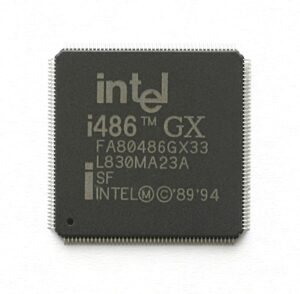
The Linux kernel is preparing to say goodbye to one of the oldest processor families it has continued to carry for far longer than most modern operating systems. Developers have

The Linux kernel is preparing to say goodbye to one of the oldest processor families it has continued to carry for far longer than most modern operating systems. Developers have

Linux 6.19 has been officially released (announced by Linus Torvalds on February 8, 2026) and is now available from the upstream release channels. For most production environments, the real question

For more than three decades, the Linux kernel’s development has had a clear “last step”: subsystem maintainers send pull requests, reviews happen in public, and then the final merge into

Arch Linux has opened 2026 the way it tends to do everything: quietly, quickly, and with a refresh that matters most to people who actually install systems for a living.

Linux 6.18 is now officially out, and it’s not just another end-of-year release. Everything points to this version becoming the next Long-Term Support (LTS) kernel for 2025 – the branch

The Linux kernel community is experiencing a small, quiet but symbolic changing of the guard. Alex Gaynor, one of the early names behind the Rust for Linux initiative, has formally

The Linux 5.4 LTS kernel series has officially reached its end of life. After more than six years of continuous maintenance and over 300 point releases, this long-term support branch

The latest kernel release improves performance, security, and hardware support for next-gen computing, virtualization, and networking workloads. The Linux community has officially released Linux kernel 6.16, bringing notable improvements across

The latest Linux kernel release introduces Nova, a new GPU driver written in Rust, along with significant improvements to Btrfs, exFAT, AMD and Intel support. Linux continues to evolve at

Canonical confirms that the next Ubuntu version, codenamed “Questing Quokka”, will include the latest Linux kernel, even if it is still in Release Candidate status. The Canonical team has officially