RustyMail brings IMAP and MCP into the AI agent era
Email remains one of the most important — and still one of the most awkward — layers to automate well. Reading IMAP folders, indexing messages, moving mail between folders, downloading
Email remains one of the most important — and still one of the most awkward — layers to automate well. Reading IMAP folders, indexing messages, moving mail between folders, downloading

The market for self-hosted developer tooling keeps expanding, but one category remains especially hard to simplify: error tracking. Teams want the visibility of services like Sentry, but many of them

As AI agents become more useful in real workflows, a new problem is emerging just as quickly: finding the right skill among the growing sprawl of GitHub repositories, templates, and
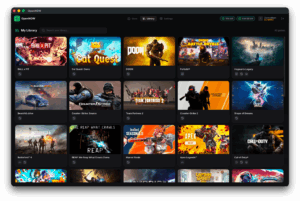
A GitHub developer has launched OpenNOW, an open-source desktop client for GeForce NOW that is already drawing attention from gamers who want more control, more transparency, and fewer black-box restrictions
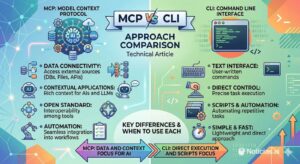
For much of the past year, the Model Context Protocol looked like the obvious future of agent tooling. It promised a standard way to connect language models to tools, APIs,

The fast-growing ecosystem around Claude Code has already produced one of its most ambitious side projects yet. OpenClaude, a repository published on GitHub by Gitlawb, claims it can take the

What began as a late-night shock inside the developer community has quickly become one of the most talked-about stories in AI-assisted software engineering. Claw Code, the GitHub project published by
The MCP ecosystem is moving beyond databases and APIs and into something more visual and hands-on: giving AI agents direct access to a real browser. That is where Glance comes
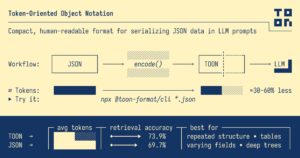
For years, JSON has been one of those invisible technologies holding the internet together without drawing much attention. It sits inside APIs, microservices, configuration files, feature flags, dashboards, and almost

A new GitHub project is gaining attention among developers and makers for a simple reason: it promises to take an existing website and rebuild it into a clean, editable Next.js