
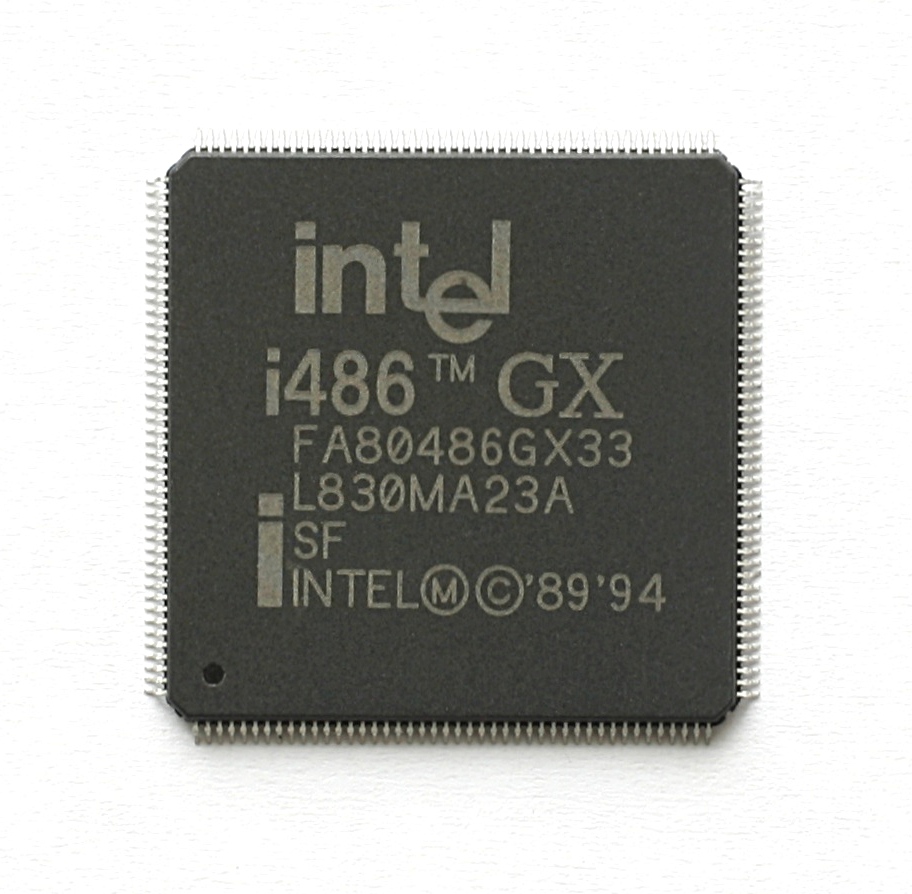
The Linux kernel is preparing to say goodbye to one of the oldest processor families it has continued to carry for far longer than most modern operating systems. Developers have started the process of phasing out support for Intel’s i486 line, a CPU family first introduced in 1989 that, at least in theory, was still present in the modern kernel tree. The change does not mean full removal has already landed in mainline, but it does mark the clearest step yet toward ending upstream support, with Linux 7.1 widely expected to be the point where that process formally begins.
The immediate trigger is a patch from veteran kernel developer Ingo Molnar that removes the CONFIG_M486SX, CONFIG_M486, and CONFIG_MELAN build options from the x86 Kconfig setup. In practical terms, that would stop users from configuring new upstream kernels specifically for 486-class systems, setting the stage for deeper code removal in later kernel cycles. Molnar’s earlier RFC series from April 2025 already listed “Remove M486/M486SX/ELAN support” among the core changes and framed it as part of a wider simplification of legacy x86 support.
A maintenance decision, not a symbolic stunt
This is not happening because Linux developers suddenly lost interest in retro hardware. The reasoning is much more mundane and much more typical of kernel maintenance: supporting extremely old 32-bit x86 chips still requires compatibility glue and hardware emulation paths that almost nobody uses, but maintainers still have to carry and debug. In the RFC discussion, Molnar argued that removing these paths would simplify the architecture and reduce maintenance overhead, while the patch series itself showed just how much legacy code could disappear as a result.
That larger cleanup is not small. In the 2025 RFC thread, Molnar said the full diffstat amounted to 83 files changed, with 30 insertions and 14.683 deletions, much of it tied to removing the old math emulation library and other historical x86 baggage. Even without the math-emu removal and some driver pruning, he still described the result as a substantial simplification. For kernel maintainers, that is usually the strongest argument of all: less dead weight, fewer special cases, and less time spent on hardware that has effectively vanished from mainstream use.
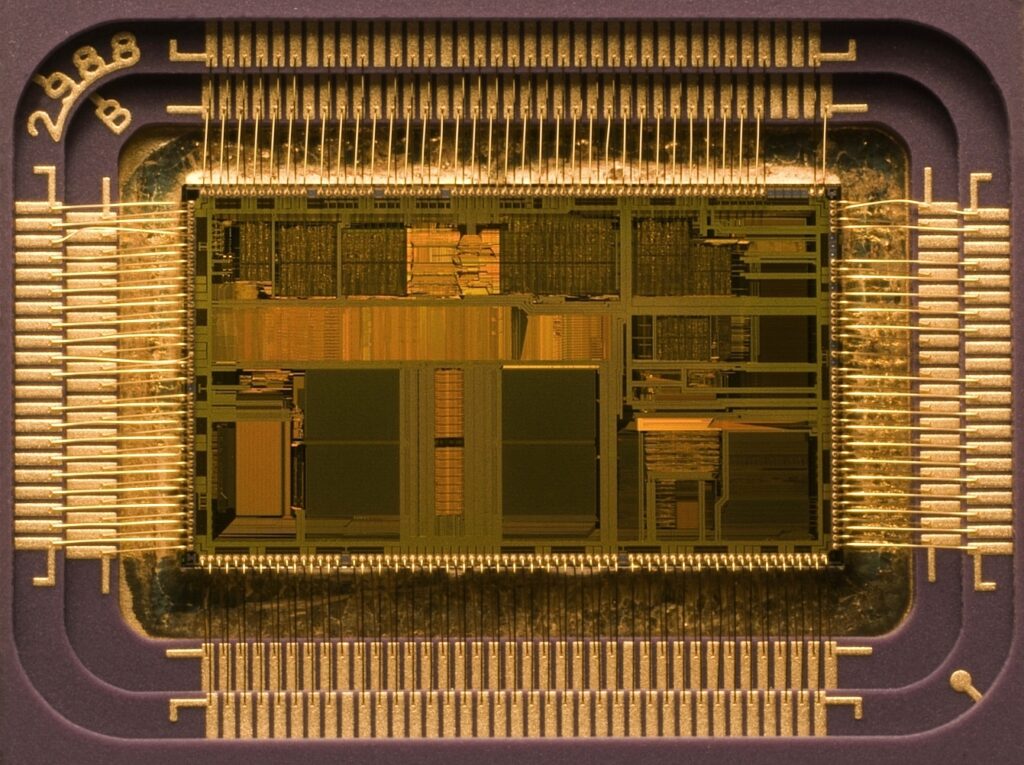
Linus Torvalds has also made it clear that he sees little value in keeping 486 support alive. In the same LKML thread, Molnar quoted Torvalds directly: “I really get the feeling that it’s time to leave i486 support behind. There’s zero real reason for anybody to waste one second of development effort on this kind of issue.” That line has become the clearest summary of the kernel leadership’s position.
What changes for anyone still running a 486
The important nuance is that Linux is not suddenly becoming impossible to run on old 486 hardware overnight. What is being phased out is upstream kernel support. Phoronix noted that anybody still relying on an i486 system with modern Linux is already an extreme edge case, and also pointed out that existing Linux LTS kernels should remain an option for anyone determined to keep such hardware alive for a few more years.
So the short-term impact is narrower than some headlines suggest. If the queued Kconfig change makes it through the Linux 7.1 merge window as expected, the first practical consequence will be that users will no longer be able to build an upstream kernel image specifically targeting 486-class CPUs. After that, assuming there is no serious pushback, the remaining support code can be removed in later releases to reduce the long-term burden on x86 maintenance.
That also helps explain why the decision appears to have relatively little resistance behind it. Phoronix reported that no known Linux distribution vendors are still shipping with i486 CPU support in current kernels. In other words, this is not a break with the needs of mainstream Linux users or commercial distributions. It is mostly the kernel finally acknowledging a reality that the wider ecosystem accepted some time ago.
A small technical change with a larger historical meaning
There is still something symbolic about it. Linux has long enjoyed a reputation for keeping old hardware alive long after other systems moved on, and that has always been part of its identity. Because of that, every time the kernel drops a very old architecture level, it feels like more than routine housekeeping. The Register noted that the last similarly significant x86-era cutoff was the end of 80386 support back in 2012. By that measure, the 486’s retirement is not just a technical cleanup; it is another milestone in Linux’s slow separation from the earliest layers of the PC era.
That does not mean 486 systems become useless or irrelevant. They will remain alive in retrocomputing circles, in preservation projects, and in the niche communities that still enjoy building, restoring, and experimenting with vintage x86 hardware. But that world is increasingly separate from the goals of the upstream Linux kernel, which has to balance historical reach against maintainability. For modern Linux development, the answer now seems clear: carrying 37-year-old CPU baggage is no longer worth the cost.
FAQ
Is Linux 7.1 already removing all Intel 486 support?
Not completely yet. What is currently visible is a patch in the development flow that removes the key 486-related Kconfig options, which is expected to begin the upstream phase-out process during the Linux 7.1 cycle.
Will old 486 machines stop running Linux immediately?
No. Existing older kernels, especially LTS branches, should still be usable on those systems. The main change is that modern upstream kernel development is moving away from actively supporting them.
Why does the Linux kernel want to drop i486 support?
Because maintaining support for these CPUs requires extra compatibility and emulation code on x86-32 that almost nobody uses anymore, while maintainers still have to carry and debug it. Kernel developers see that as wasted effort that could be better spent elsewhere.
Does this affect only the 486, or also some early Pentium-era chips?
The broader x86 cleanup discussed by Ingo Molnar in 2025 also targeted non-TSC and non-CX8 CPUs, which included some very early 586-class processors. The currently highlighted change is the removal of the 486-specific options as the most visible first step.