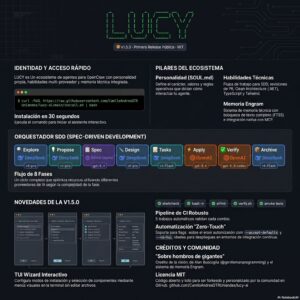
Lucy-agent turns OpenClaw into an installable AI colleague with memory
Lucy-agent is one of those small projects that explains quite well where AI-assisted development is heading. It is no longer just about calling a model through an API, sending a
Lucy-agent is one of those small projects that explains quite well where AI-assisted development is heading. It is no longer just about calling a model through an API, sending a
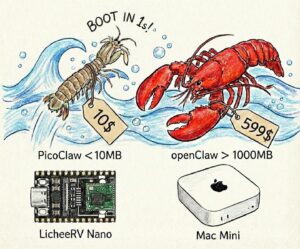
Most “AI agent” projects today share the same tradeoff: they add capabilities by piling on dependencies, runtimes, and background services until the assistant looks more like an application platform than
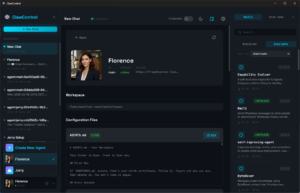
OpenClaw has grown into one of those projects that’s easier to understand once you operate it: multiple agents, long-running sessions, tool calls, scheduled jobs, and a server configuration surface that

OpenClaw is quickly becoming a reference point for a new class of tooling: agentic automation that runs close to the user while plugging into real systems — email, calendars, browsers,

“RIP OpenClaw” has been making the rounds in the agent-builder crowd lately—less as an obituary, more as a signal: people want agents that are actually usable day-to-day without handing them

In early 2026, OpenClaw’s sudden rise as a self-hosted “personal AI agent” has collided with an old reality in new packaging: if a platform makes it easy to run third-party