
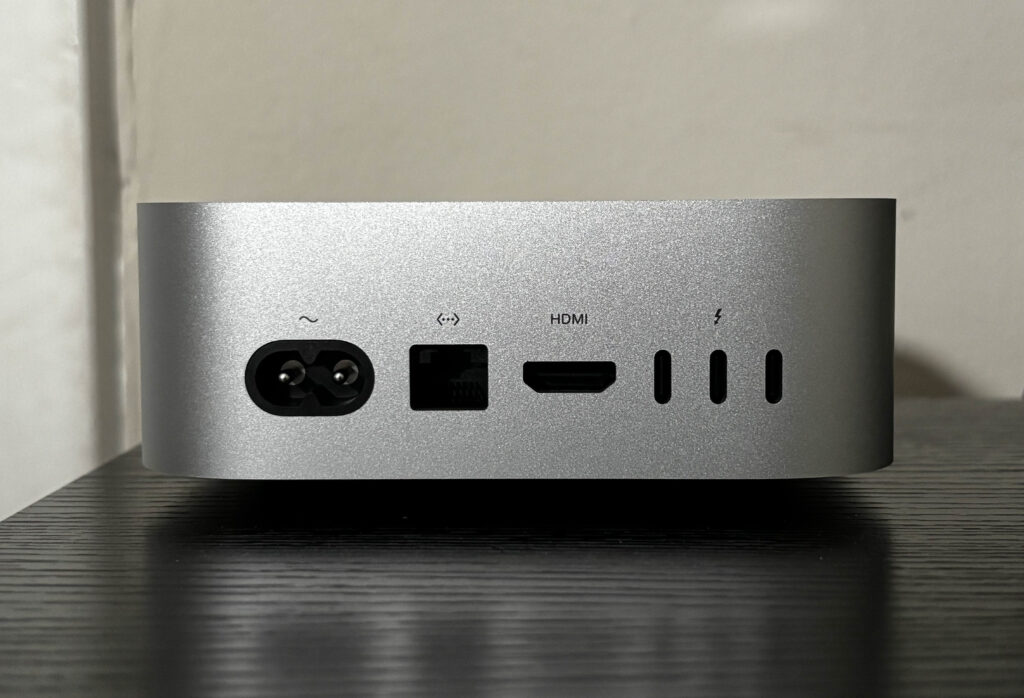
Stela is an open-source project that boots the Apple Silicon build of macOS, unmodified, on an ordinary PC with an Intel or AMD processor. It is a UEFI boot program that combines an arm64-to-x86-64 translator, a Metal driver for NVIDIA graphics cards and a model of Apple Silicon hardware that makes macOS believe it is running on an M2 Mac mini. Its author, Tyler Smith (tylertms on GitHub), released version 0.1.0 on November 11 and warns that the project is very experimental: macOS and most apps start, but it is slow.
Key points on Stela, Apple Silicon macOS on a PC, in 30 seconds
- Stela boots unmodified Apple Silicon macOS 27 on x86-64 PCs with UEFI.
- It translates more than 3,000 AArch64 instruction encodings using ahead-of-time and just-in-time compilation.
- It needs an NVIDIA GTX 16 or RTX 20 series GPU or newer, 8 GB of RAM and Secure Boot turned off.
- Wi-Fi and audio do not work, and performance is low.
- It is licensed GPL-2.0-or-later and ships no Apple software.
The timing is symbolic. Apple announced at WWDC in June 2025 that macOS Tahoe would be the last release to support Intel Macs, which effectively ended traditional Hackintosh builds that relied on x86 versions of the OS. Stela does not try to make macOS accept PC hardware. It does the opposite: it simulates an Apple Silicon Mac and translates everything the system runs underneath.
Rosetta in reverse: how it works
When Apple moved from Intel to its own chips, Rosetta 2 translated x86-64 apps so they could run on ARM Macs. Stela goes the other way and, rather than handling individual apps, translates the whole operating system. According to the project README, it has three parts:
- arm64-to-x86-64 translator. It covers more than 3,000 AArch64 instruction encodings, combines ahead-of-time (AOT) and just-in-time (JIT) compilation, and caches translated code to avoid repeating work. It runs on any Intel or AMD x86-64-v2 CPU.
- Metal driver for NVIDIA. It implements the Metal3 and Apple7 GPU families on GTX 16, RTX 20 and later cards. As French site Korben explains, it compiles Apple’s shaders to NIR, Mesa’s intermediate language.
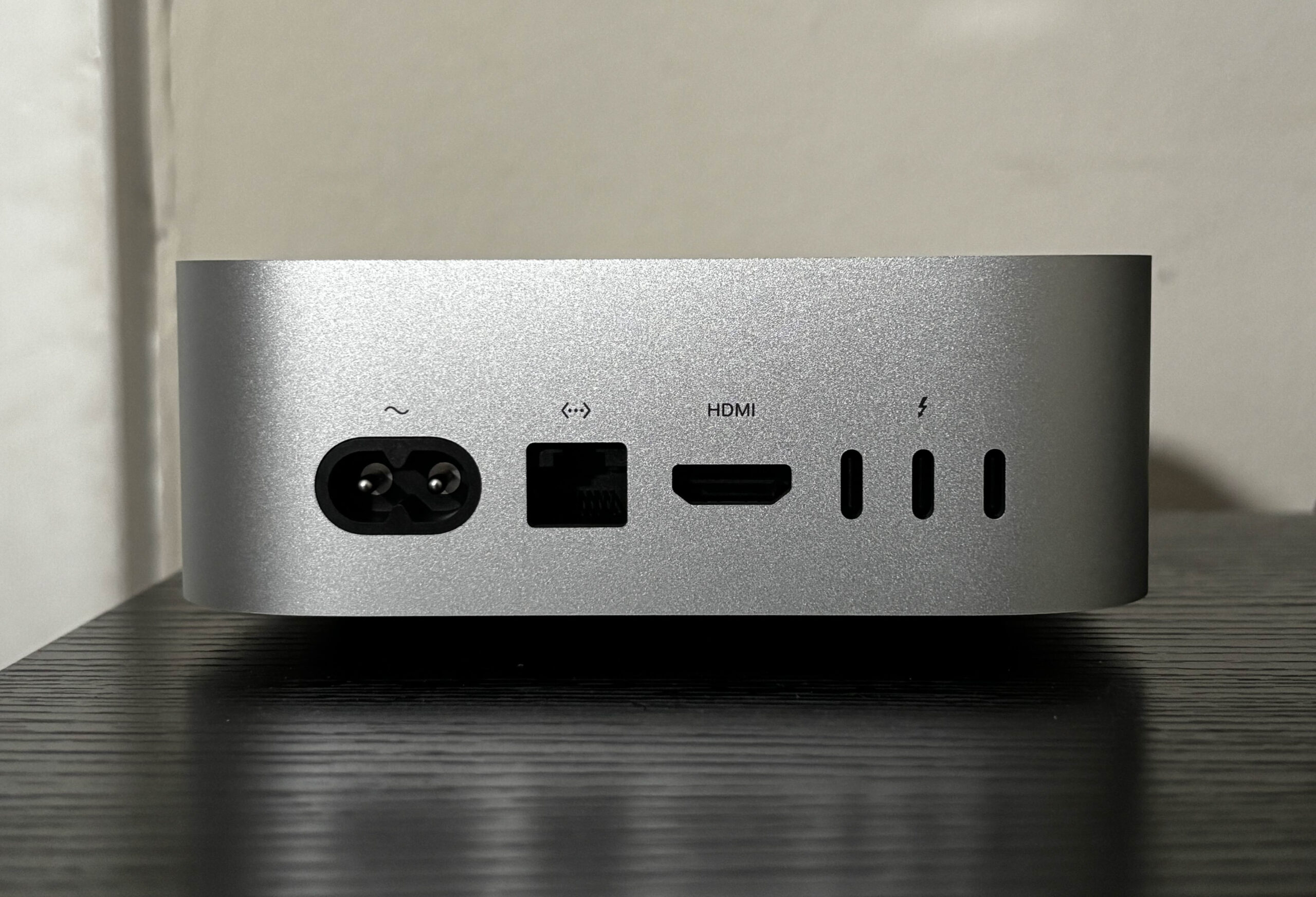
- Apple Silicon hardware model. For now it reproduces an M2 Mac mini, so macOS sees that machine rather than the real PC.
The code is written in Rust, and building it requires Rust plus LLVM with Clang 21 or newer. The README warns that the first build takes a long time.
Requirements and installation
| CPU | Intel or AMD x86-64-v2 (roughly 2011 or newer) |
| Firmware | 64-bit UEFI with Secure Boot off |
| Memory | 8 GB of RAM |
| Graphics | NVIDIA GTX 16, RTX 20 or newer |
| Disk | Empty GPT partition of at least 60 GB |
| USB stick | 8 GB for the network installer, 32 GB for the full installer |
| Network | Required during install; no Wi-Fi, supported Ethernet only |
On paper, the process is simple. You download the binary from the repository’s releases page and run it on the PC that will run macOS, with sudo ./stela setup on Linux or macOS, or stela.exe on Windows. The tool asks for the USB stick, installer type and Mac model, erases the stick and prepares it for booting. According to Korben, the installer downloads macOS directly from Apple’s servers and also requests the install signing response from Apple, so even the offline installer goes through those servers first. Then you boot the PC from the USB stick.
What to know before trying it
Stela is not a practical substitute for a Mac, at least not yet. Its author calls it very experimental, performance is low because the whole system runs through the translator, and according to coverage from Gori.me and Korben, Wi-Fi and audio do not work and booting can fail even on supported hardware. The project passed 140 points on Hacker News within days of launch, but activity on GitHub is still very limited.
There is also a legal question. Stela ships no Apple software and its own code is GPL-2.0-or-later, but the README reminds users that they are responsible for following Apple’s license terms, and the macOS license only allows installation on Apple-branded hardware. For a system administrator, Stela’s interest is mostly technical: how a full operating system is translated from one architecture to another, how hardware that does not exist is modeled, and how a closed graphics API is implemented on another vendor’s GPUs. It is not a tool for production environments.
FAQ
What is Stela?
An open-source UEFI boot program that runs Apple Silicon macOS on x86-64 PCs by translating arm64 to x86-64 and simulating an M2 Mac mini.
Which graphics card does it need?
An NVIDIA GTX 16, RTX 20 or newer, because its Metal driver only works with that vendor’s GPUs.
Is using Stela legal?
Stela includes no Apple software, but the macOS license only allows installation on Apple hardware; the project itself says users are responsible for complying with it.
Can it be used every day?
No. Its author calls it very experimental: it is slow and Wi-Fi and audio do not work.
Sources: