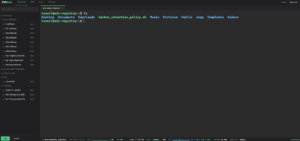
SSHDeck Brings SSH Management to the Browser with Docker, SFTP and Monitoring
SSHDeck is a new self-hosted web SSH client that aims to bring together some of the features commonly found in tools such as MobaXterm or Termius. The project runs from
SSHDeck is a new self-hosted web SSH client that aims to bring together some of the features commonly found in tools such as MobaXterm or Termius. The project runs from
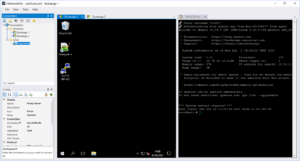
mRemoteNG remains a useful tool for system administrators who work with dozens or even hundreds of servers every day. Its proposition is straightforward: centralize RDP, SSH, VNC and other remote

There are plenty of sophisticated automation platforms available today, but sometimes a lightweight utility solves an everyday problem faster and more efficiently. Cluster SSH (CSSH) is one of those tools.
If you regularly connect to Linux servers, deploy applications, or push code to Git over SSH, there’s a good chance you’re wasting time without realizing it. Typing the same passphrase
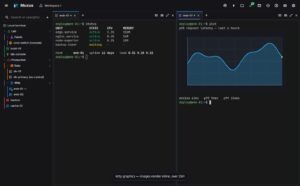
Finding an SSH client that combines power, simplicity, and a polished user experience isn’t always easy. There are well-established options such as MobaXterm, SecureCRT, Tabby, or even Visual Studio Code
The CVE-2026-55200 vulnerability in libssh2 is the kind of issue a systems team should not treat as “just another package waiting for an update”. It affects a library used to
A newly disclosed Linux kernel vulnerability has raised alarms among system administrators, hosting providers and security teams. The flaw, identified as CVE-2026-46333 and nicknamed “ssh-keysign-pwn” by one of the public
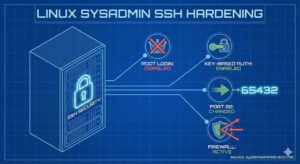
SSH (Secure Shell) is one of the most important tools for Linux system administrators and developers. It lets you log in securely to remote machines, run commands, manage files, transfer
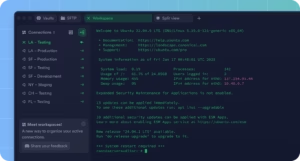
In an era of distributed infrastructure, multi-cloud deployments and remote DevOps teams, the old ritual of opening PuTTY and typing an IP address is starting to feel dated. That’s where
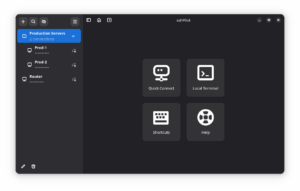
For any sysadmin, DevOps or SRE, one ritual is as constant as log rotation: opening SSH sessions—and doing it right: keys, port forwarding, file transfer, remote commands, and credentials kept