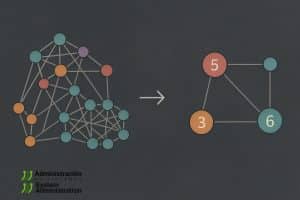
Graphify turns Claude Code into a living map of your project
AI coding assistants have become much better at reading files, searching for symbols, and explaining snippets of code. But they still face a familiar problem: as a project grows, context

AI coding assistants have become much better at reading files, searching for symbols, and explaining snippets of code. But they still face a familiar problem: as a project grows, context

One of the most frustrating limits of AI-assisted development is not the model’s ability to write code, but its lack of continuity. An agent can help debug a migration, explain

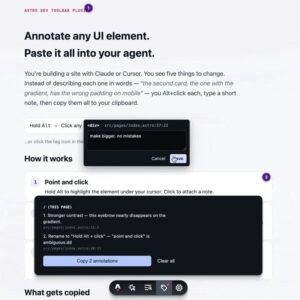
Working with coding agents has changed the way interfaces are built, but there is still a very everyday problem: clearly explaining which part of the screen needs to be changed.

Donald Knuth is not just another name for developers. For several generations of programmers, The Art of Computer Programming has been more than a collection of books: it is a

Anthropic is reportedly preparing a new Claude Code feature called Bugcrawl, aimed at analysing entire repositories in search of programming errors and possible logic flaws. The tool has not yet

Claude Opus 4.7 arrives with a clear promise for developers: less supervision, more autonomy, and better performance on long-running programming tasks. But the real leap is not just about switching

Claude Code has become one of the most closely watched AI coding tools because it does more than autocomplete code. It can read a repository, edit files, run commands, and

Anthropic has published one of the most revealing engineering write-ups in the current AI agent wave. It is not a model launch or a flashy benchmark post, but a detailed

Claude Code has sparked a very practical question among developers and engineering teams: if the agent can write software in almost any language, which one should you actually choose to

Anthropic is pushing Claude Code beyond the terminal and into the core of GitHub workflows. Its claude-code-action project lets developers use Claude inside pull requests, issues, and comments, where it